Troubleshooting Common Issues with Welded Pipe Fittings
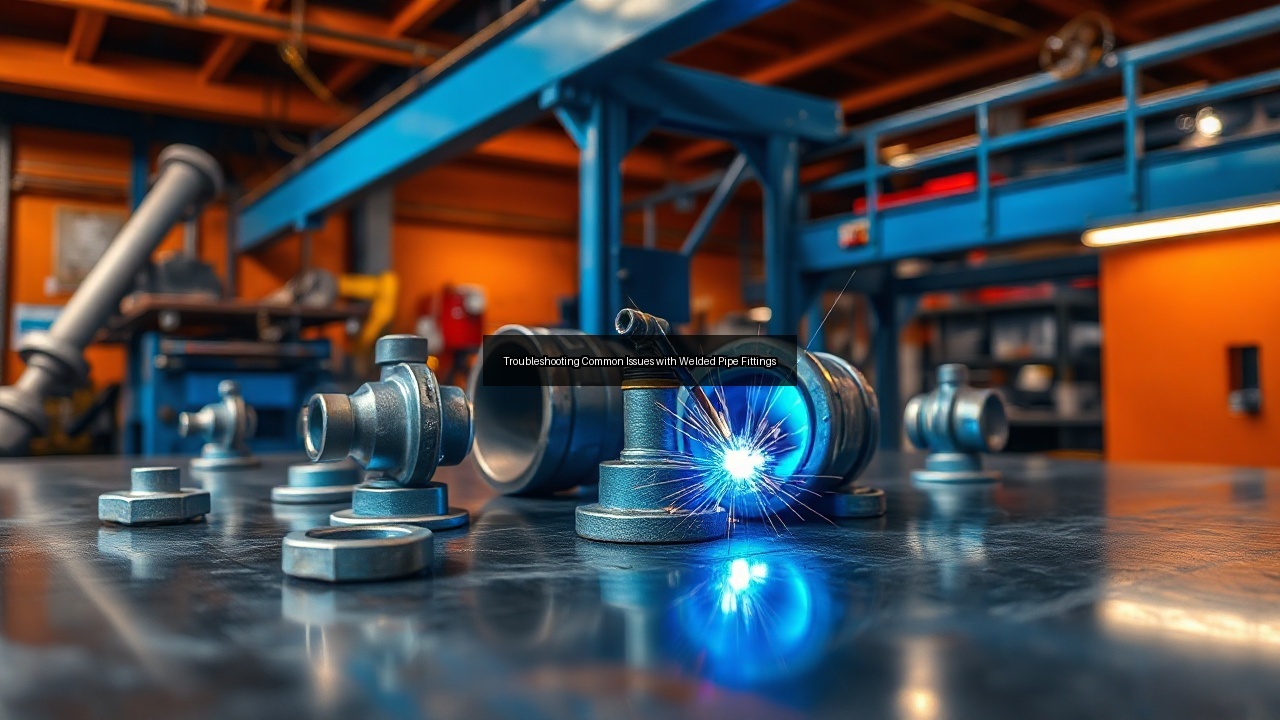
Understanding Welded Pipe Fittings
Types of Welded Pipe Fittings
Welded pipe fittings serve as crucial components in various piping systems, primarily designed to connect, redirect, or terminate pipe runs. Common types include pipe tees, reducers, and pipe caps. A pipe tee allows for branch connections, enabling fluid flow from one primary pipeline to another. Reducers facilitate a transition between different pipe diameters, essential for managing flow rates and pressure drops. Pipe caps close off the ends of pipes, providing a secure seal. Additionally, flanges are often used to create bolted connections, making them integral for assembling larger systems. Understanding these types helps in selecting the appropriate fittings for specific applications.
Common Materials Used in Weld Fittings
Material selection plays a vital role in the performance of welded fittings. Carbon steel remains the most common choice due to its strength and versatility, especially in oil and gas applications. Stainless steel provides excellent corrosion resistance, making it suitable for environments where moisture or chemicals are present. Other materials include alloy steel and PVC, each offering unique benefits depending on temperature and pressure requirements. When designing a system, consider factors such as the operating environment, expected pressure, and temperature ranges to ensure the chosen material aligns with the intended application. Proper material choice enhances durability and reduces maintenance costs over time.
Applications in Oil and Gas Industry
The oil and gas industry heavily relies on welded pipe fittings for transporting fluids under high pressure and temperature. From upstream extraction to downstream refining, these fittings are integral to maintaining system integrity. In drilling operations, welded fittings connect steel pipes that transport oil, gas, and water, ensuring a secure flow. The high-pressure environment necessitates robust fittings to withstand stresses and prevent leaks. Furthermore, in processing facilities, welded fittings help in managing various fluids, contributing to efficient operations. Understanding the applications of welded fittings in this sector ensures compliance with stringent safety standards and enhances overall system reliability.
Identifying Common Issues with Welded Fittings
Pressure and Temperature Concerns
Pressure and temperature fluctuations pose significant challenges in welded pipe fittings. High-pressure environments can lead to fatigue, causing fittings to crack or deform over time. Similarly, extreme temperatures can affect material integrity, potentially leading to failures. Operators must monitor these factors closely, as they directly influence the lifespan of fittings. For instance, a fitting that operates well at ambient temperatures may not perform adequately under elevated thermal conditions. Regular pressure testing and temperature monitoring can help identify issues before they escalate, ensuring a safe and efficient piping system. Understanding these variables is crucial for proactive maintenance and risk mitigation.
Weld Defects and Their Causes
Weld defects represent a major concern in the integrity of welded pipe fittings. Common defects include porosity, cracks, and incomplete fusion. Porosity occurs when gas entrapment happens during the welding process, leading to weak spots in the weld. Cracks can arise from improper cooling or excessive stress, while incomplete fusion results from inadequate heat application, leaving gaps between metal pieces. Identifying these defects requires a thorough inspection, often employing non-destructive testing methods such as ultrasonic or radiographic techniques. Addressing the root causes—such as poor welding technique or improper equipment settings—can significantly enhance the quality and reliability of welded fittings.
Impact of Pipe Diameter on Fitting Performance
The diameter of pipes directly influences the performance of welded fittings. Larger diameter pipes typically handle greater flow rates but also require fittings that can withstand increased pressure and mechanical stress. Mismatched diameters between pipes and fittings can lead to turbulence, pressure drops, and flow restrictions. Additionally, larger fittings may incur higher costs, necessitating careful planning during the design phase. Engineers must choose fittings that match the pipe diameter while considering the entire system's hydraulic dynamics. Proper alignment and sizing ensure that the system operates efficiently and reduces the risk of failures, leading to cost savings in the long run.
Troubleshooting Techniques for Welded Pipe Fittings
Inspecting Welds for Integrity
Regular inspection of welds is crucial for maintaining the integrity of welded pipe fittings. Visual inspection serves as the first line of defense, allowing operators to detect surface defects such as cracks or discoloration. More advanced techniques, such as magnetic particle testing or dye penetrant inspection, can reveal subsurface flaws. Employing these methods helps ensure that welds meet industry standards and regulations. Additionally, inspecting welds after installation and periodically during operation can prevent costly failures. Establishing a routine inspection schedule enhances safety and extends the lifespan of welded fittings, ultimately reducing maintenance costs and downtime.
Assessing Fitting Compatibility
Compatibility among fittings and pipes plays a critical role in system performance. Different types of welded fittings, such as butt weld fittings and socket weld fittings, may require specific joint designs and installation techniques. Misalignment or improper fitting selection can lead to leaks or system failures. Conducting a thorough assessment of fitting compatibility involves evaluating dimensions, thread types, and material properties. Ensuring that fittings match the specifications of the pipes they connect minimizes risks socket weld fitting and enhances overall system reliability. This compatibility check is essential when retrofitting or upgrading systems to maintain optimal performance.
Cost-Effective Solutions for Repairing Fittings
Addressing issues with welded fittings does not always require complete replacement. Cost-effective repair solutions exist, such as welding repairs or using epoxy coatings to seal leaks. For minor cracks or defects, skilled welders can often perform repairs on-site, restoring the fitting's integrity without incurring high replacement costs. Additionally, implementing proper maintenance practices can prevent the need for repairs altogether. Regular inspections and timely interventions help identify issues early, allowing for simple fixes before they escalate. By focusing on cost-effective solutions, operators can manage expenses while ensuring the reliability and safety of their welded fittings.
Preventive Measures and Best Practices
Proper Welding Techniques
Employing proper welding techniques significantly impacts the performance and reliability of welded pipe fittings. Skilled welders must adhere to established procedures, including selecting the right welding method, such as TIG or MIG, based on the materials involved. Proper heat application is vital; excessive heat can weaken the fitting, while insufficient heat can lead to a lack of fusion. Additionally, pre-weld preparation, such as cleaning and fitting alignment, ensures a stronger bond. Continuous training and certification of welding personnel enhance the quality of welds, thereby reducing the likelihood of defects. Implementing these best practices leads to higher-quality fittings and reduces long-term maintenance costs.
Choosing the Right Fitting for Your Application
Selecting the appropriate fitting for a specific application is crucial for optimal system performance. Factors such as pressure, temperature, and fluid type dictate the fitting choice. For high-pressure systems, robust carbon steel weld fittings may be necessary, while corrosive environments may call for stainless steel options. Understanding the operational environment and flow requirements ensures that the right fittings are chosen, minimizing the risk of failures. Consulting with suppliers or engineers can provide valuable insights into the best fitting options for particular applications, leading to more efficient and reliable piping systems.
Understanding the Importance of Dimensions and Thread Types
Dimensions and thread types are fundamental considerations when working with welded pipe fittings. Incorrect dimensions can lead to installation challenges and performance issues, such as leaks or blockages. Standardized dimensions exist for various types of fittings, and adhering to these ensures compatibility within the system. Additionally, understanding thread types—whether NPT, BSP, or others—is vital for creating secure connections. Using mismatched threads can compromise the integrity of the joint, leading to leaks. Therefore, maintaining accurate measurements and selecting the correct thread type are essential for the successful installation and operation of welded fittings.